





Copper Creek Sewer Interceptor Relocation

Project Name
Copper Creek Sewer Interceptor Relocation
General Contractor
Super Excavators, Inc. – Menomonee Falls, WI
Location
Omaha, NE
Ground Conditions
Wet silty clay conditions
Akkerman Equipment
SL36C, SL51C, and SL60C Slurry Microtunneling Systems. Akkerman TGS & AZ-100 Guidance Systems
Pipe
42-in, 48-in, and 66-in FRP jacking pipe
Total Length/Hard Rock Section
525 LF

Project Overview

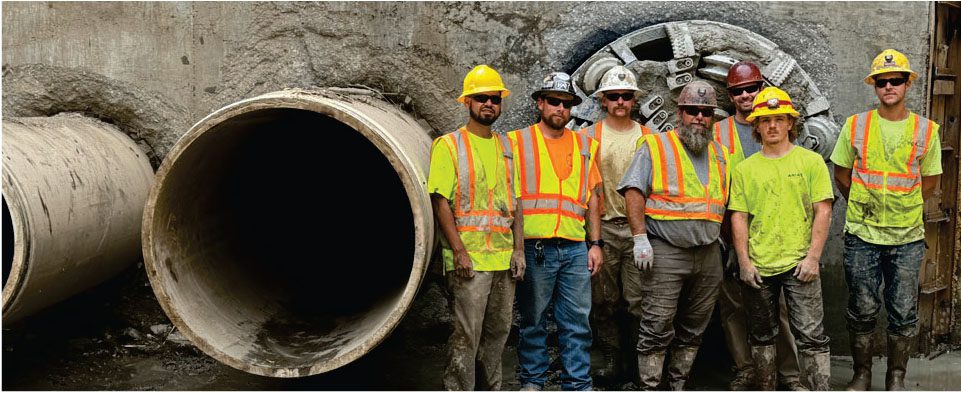
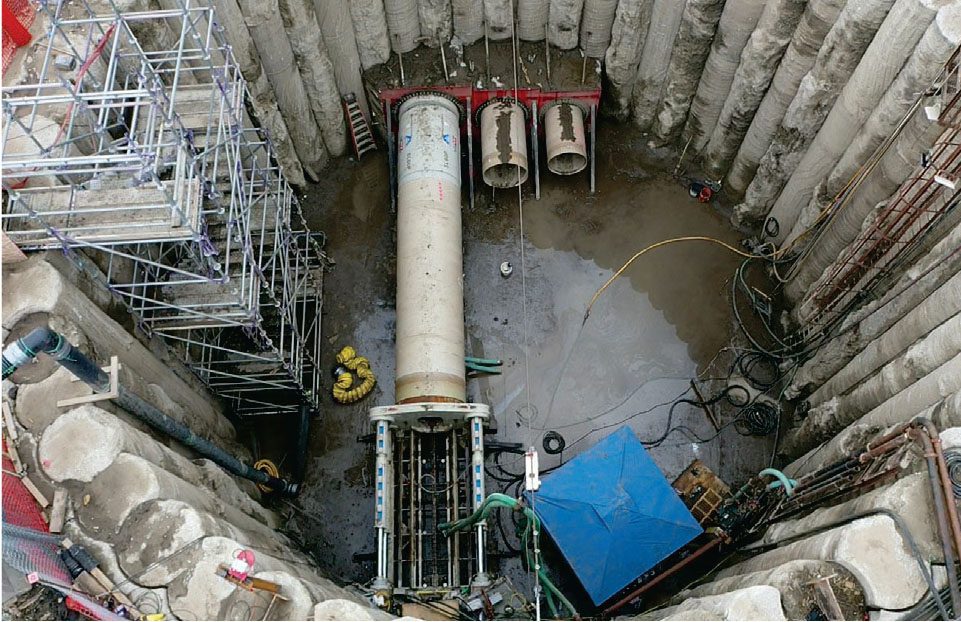
Super Excavators, Inc. executed slurry microtunneling operations for the Copper Creek Sewer Interceptor Relocation project in Sarpy County, Nebraska. The project required the installation of a triple-barrel siphon system beneath Copper Creek, utilizing three separate drives to accommodate varying pipe diameters.

Operating in wet silty clay conditions, the crew deployed multiple Akkerman slurry microtunneling systems to maintain face stability and alignment accuracy. The installation supports a critical infrastructure upgrade by relocating an existing aerial sewer crossing to a subsurface alignment beneath the waterway.
Challenges

  • Constructing three parallel microtunnel drives with varying diameters
  • Maintaining line and grade accuracy beneath an active waterway
  • Managing wet silty clay conditions requiring consistent face support
  • Coordinating multiple machine setups and installations within a confined project footprint

Solution

  • Utilized Akkerman SL36C, SL51C, and SL60C slurry microtunneling systems to match required pipe diameters
  • Implemented advanced guidance systems to maintain precise alignment across all three drives
  • Leveraged slurry pressure balance methods to stabilize ground conditions and control excavation
  • Coordinated sequential installations to efficiently complete the triple-barrel siphon system

Outcome

  • Successfully installed three parallel siphon lines totaling 525 LF beneath Copper Creek
  • Maintained accurate line and grade control across all installations
  • Enabled removal of the existing aerial sewer crossing
  • Reduced risk of sewer overflow and backflow into the waterway
  • Improved long-term floodplain performance and environmental protection